Fire Shutters for New Build Homes in Toronto: A Practical Guide for Safer Design
New construction in Toronto leans modern: larger expanses of glazing, tighter lot lines, and open-concept layouts designed for natural light and airflow. These elements are visually striking and functionally progressive, but they also introduce new vulnerabilities in emergencies.
The way fire, smoke, and heat move through a structure changes with these modern design choices. To respond effectively, fire protection has to evolve alongside architecture. That’s where fire shutters come in.
They provide a precise, passive solution that transforms vulnerable openings—like large windows, open stairwells, or sliding glass doors—into controlled points of containment. In other words, they give modern homes the ability to compartmentalize on demand, reducing risk without compromising design.
What Are Fire Shutters and How They Function
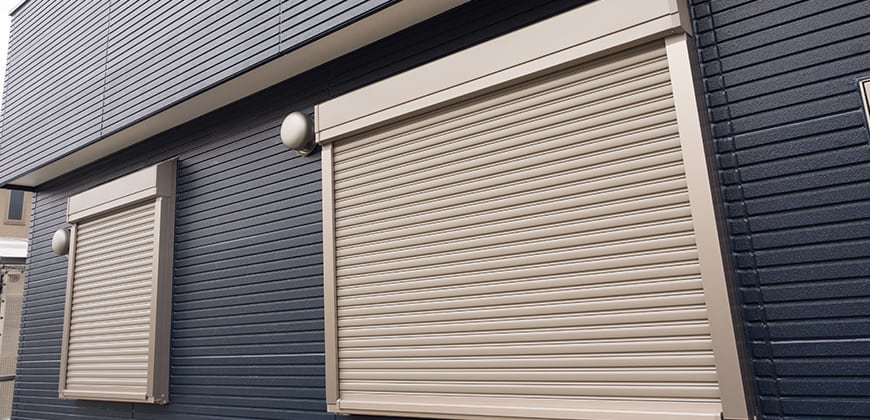
Fire shutters are rated barriers that cover windows, pass‑throughs, and door openings when triggered by heat or a signal from a life‑safety system. Built from fire‑resistant slats or curtain assemblies, they close to create a verified, heat‑rated seal. The effect is simple and valuable: compartmentation. Fire, smoke, and radiant heat get fewer paths to travel.
For new build homes, shutters are easiest to integrate during design. You choose priority locations, recess head boxes, and coordinate power and signaling with the alarm panel from day one.
Toronto Context: Why Shutters Matter in Urban Infill
- Proximity to neighbours: Narrow side yards increase exposure. A sealed opening buys time and limits exterior flame spread.
- Glass‑forward elevations: More glazing equals more potential pathways for heat. A controllable closure at those points reduces risk.
- Weather effects: Wind can drive smoke and embers through openings. Shutters provide a physical check during volatile conditions.
Shutters don’t replace detectors or sprinklers. They complete the strategy, turning open designs into layouts with intentional choke points.
Fire Shutters vs. Fire‑Rated Windows: Complementary Tools
Fire protection at openings is about more than just meeting minimum requirements. Each element—window, door, shutter—has a distinct role. The key is knowing when to pair them.
- Fire‑rated windows resist heat for a time but continue to act like windows.
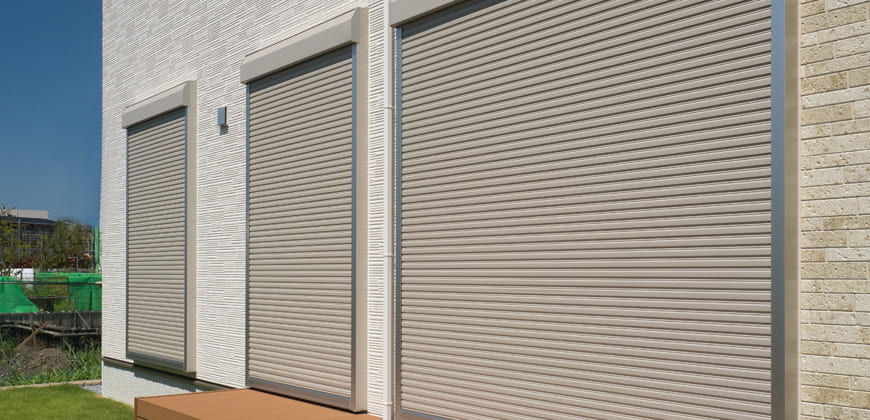
- Fire shutters temporarily remove the opening from service—reducing airflow and radiative exposure while improving compartmentation.
In higher‑exposure locations (garage interfaces, exterior kitchen servery windows, basement walkouts), combining a rated assembly with a fire shutter creates layered protection. This dual approach offers both passive resistance and active containment, making it one of the most robust options available for residential builds.
When we help design these systems, we look at how the space is used, where fire risk might originate, and how airflow could amplify exposure. From there, we recommend combinations that prioritize life safety without compromising layout or light.
High‑Value Residential Locations for Fire Shutters
- Garage to house interfaces: Common ignition source meets key egress path; a shutter at glazed man‑doors or pass‑throughs adds control.
- Exterior kitchen openings: Slide‑up or serving windows near grills benefit from a concealed shutter.
- Basement walkouts: Stairs behave like chimneys; a closure at the walkout reduces draw.
- Double‑height spaces/clerestories: Manage vertical movement of heat and smoke in atrium‑style areas.
You don’t need shutters everywhere—only where fire and airflow would otherwise work together.
Integration Notes for Builders and Homeowners
- Framing & pockets: Plan recessed head boxes and guides so the system disappears in the finish package.
- Signaling: Tie activation to the fire alarm panel and targeted heat detection; include local test/override switches for commissioning.
- Power & fail‑safe: Specify battery backup or gravity‑drop so closures operate during outages.
- Access & egress: Protect escape routes—don’t block them. Confirm manual lift and override procedures.
- Service: Annual tests, guide cleaning, and functional checks keep operation reliable.
Cost, Value, and Risk Reduction
Shutters are a line‑item investment that pays off in predictability: fewer paths for spread, clearer documentation for insurers, stronger resale narrative for glass‑forward homes. Most importantly, they provide time—time for evacuation and time for response.
Quick Selection Checklist
A well-chosen fire shutter does more than just meet code—it performs exactly as needed in the spaces that matter most. Here’s a concise guide to making the right selections for your project:
- Risk mapping: Mark openings near fuel (garages, grills, storage) and those that channel air (stair towers, tall glazing).
- Rating & size: Match shutter rating to exposure; verify headroom and side clearances.
- Finish options: Powder‑coated fascia, concealed tracks, or mill finish to suit the palette.
- Controls: Panel integration, heat detectors, and local test stations.
With these criteria in place, your selections will reflect both the functional demands of fire protection and the aesthetic standards of modern home design.
Work With a Local Specialist
Early coordination keeps the result clean, code‑ready, and architecturally seamless. At TBC Garage Doors, we work closely with homeowners, builders, and designers across Toronto to install residential fire shutters that are tailored to both safety requirements and design ambitions. We consult from the planning stage to identify ideal placement, coordinate concealed wiring, and specify finishes that suit both contemporary and transitional styles.
Whether you’re dealing with oversized glass openings, tight urban lots, or split-level layouts, our expertise ensures each shutter integrates without compromise. From initial specs to commissioning, we bring precision to every step of the process.
Build the home you want with home safety and fire protection engineered in from the start. Reach out to TBC Garage Doors today at 888-928-4035 or click here to get in touch online.